
DAV Racing · Updated
Choose indoor company events for predictable shelter and controlled presentation conditions, outdoor activities for suitable space and discovery, or a mixed programme with a proper indoor base. Agree weather decisions, alternative capacity and guest communications before booking. Indoor hospitality does not make track activity weather-independent.
When indoor activities are the better starting point
Workshops, simulator challenges, hosted meals and facilitated conversations can provide a reliable core programme. Still check room access, ventilation, sound and circulation. An indoor activity is not automatically accessible or suitable merely because it is sheltered.
- Confirm usable room size for the planned layout.
- Check noise, seating, toilets and step-free routes.
- Allow breaks outside the activity room where practical.
When outdoor activities add real value
Guided discovery, open-air hospitality or an optional circuit experience can make the setting memorable. Evaluate exposure, walking distances and seasonal conditions rather than relying on a forecast far in advance. Confirm which activities can operate and who makes that decision.
- Provide clothing, shade and hydration guidance appropriate to conditions.
- Map shelter and accessible transfers between locations.
- Treat track access as subject to the responsible operating team.
Design a mixed programme, not an indoor queue
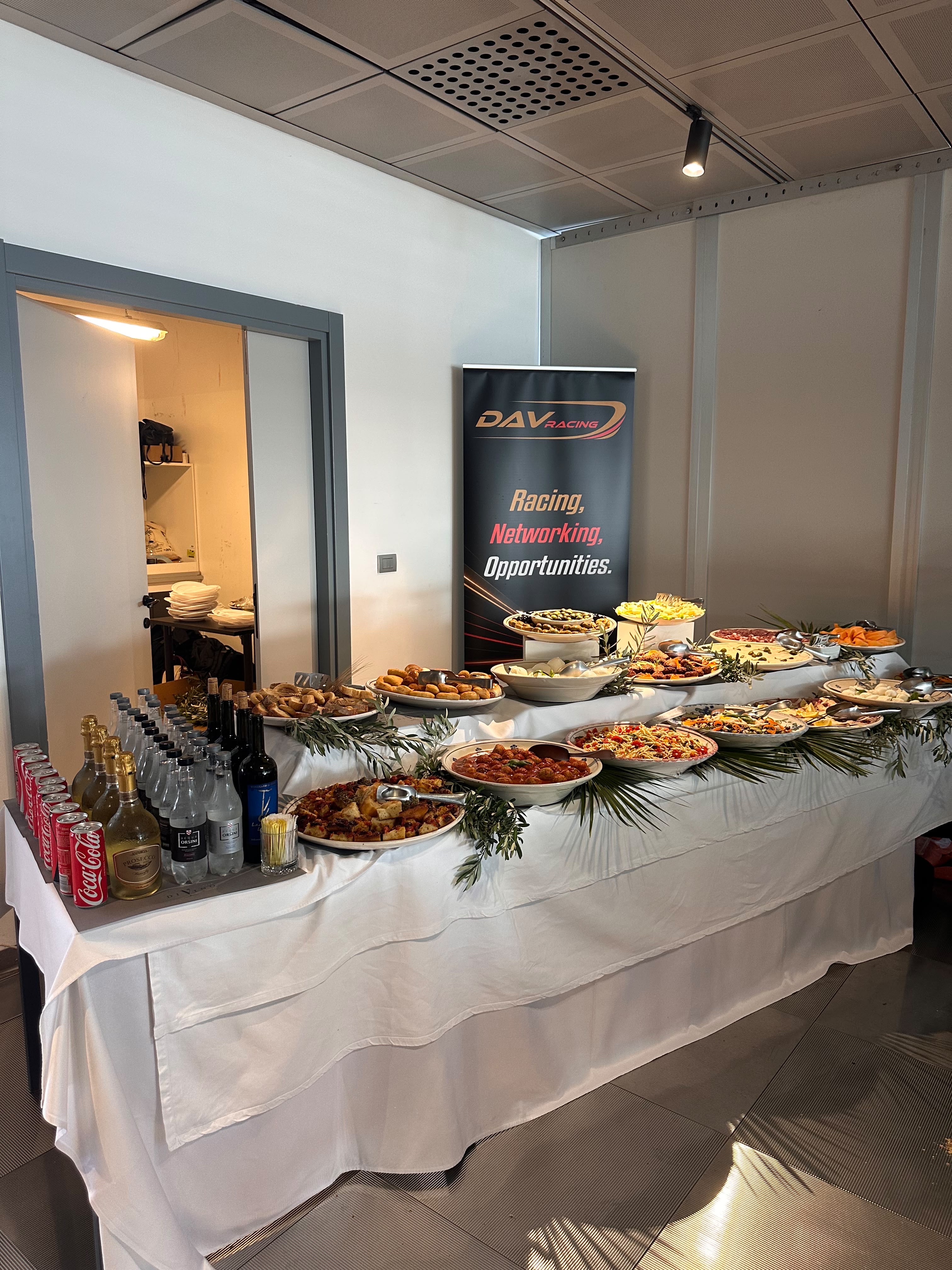
A comfortable base with its own hosted activity can make a mixed event work. For a circuit format, hospitality and simulators can be valuable parts of the day, but their capacity must match the guests who may need them. Do not promise automatic substitutions before agreeing them.
- Give indoor groups a host, purpose and visible timetable.
- Check simultaneous capacity rather than total daily attendance.
- Separate confirmed alternatives from optional upgrades.
Write the weather decision into the booking
Agree who reviews conditions, when decisions are made and how guests will hear about them. Include relevant payment, postponement and cancellation terms. A fallback that requires unavailable rooms or extra unapproved spending is not an operational plan.
- Document decisions for rain, heat and other operational disruption.
- Identify which services remain available if one activity stops.
- Approve any extra costs or limits before invitations are sent.
Explain changes without blaming guests
Give guests practical instructions and a direct contact, then communicate changes through one agreed channel. Keep the alternative welcoming rather than describing it as a lesser experience. Evaluate whether the day still meets the original purpose, even if its focal activity changes.
- State clothing and travel advice in the invitation.
- Update hosts, transport providers and guests consistently.
- Never encourage an activity contrary to venue or safety instructions.
Operational note: activities, availability, eligibility and responsibilities depend on the circuit, date and format. Confirm the conditions with the responsible people and in the written proposal. This guide does not replace regulations or safety instructions.
Frequently asked questions
What are good indoor company event ideas?
Consider simulator activities, creative workshops, hosted meals and facilitated group discussions. Check access, room layout, sound and capacity before choosing the final programme.
What should we do if it rains during a company event?
Use the weather plan agreed with the venue and providers. It should state who decides, which alternatives are available, how guests are informed and what happens to affected services and payments.
Can a circuit incentive day run in any weather?
Do not assume so. Circuit operations depend on actual conditions and the responsible officials. Hospitality may continue while track activities change, but the contractual alternative must be confirmed in advance.