DAV Racing · Updated
Make driving optional, ask privately about participation and access needs, and plan equally worthwhile hospitality or hosted activities. Confirm physical access, briefing language, sensory conditions and individual eligibility with the organiser. Do not treat a simulator or passenger ride as automatically accessible to everyone.
Ask about needs without making assumptions
Invite guests to share practical requirements with an appropriate contact and explain why the information is needed. Ask what would help them participate, rather than making decisions based on appearance or job role. Collect sensitive details only through a suitable process and share them only where necessary.
- A private contact for mobility, dietary, sensory or other access questions.
- Clear information about optional activities and expected conditions.
- No pressure to disclose personal information to the wider group.
Confirm the whole physical journey
An accessible hospitality room is not enough if the parking route, toilets or transport create a barrier. Check the actual event layout, not a general venue description. Getting into and out of a car or simulator can require specific arrangements, so suitability must be assessed by the responsible provider.
- Arrival, parking, transfers, routes, seating and accessible toilets.
- Step-free access and the distance between activities.
- Vehicle and simulator entry, equipment and provider-confirmed suitability.
Make alternatives part of the main programme
Guests who do not drive should not be left waiting for the real event to finish. Plan hosted conversation, suitable hospitality and confirmed activities with their own value. Passenger laps can be an option, but they still involve noise, physical sensations and eligibility conditions.
- A named host and a clear agenda for non-driving participants.
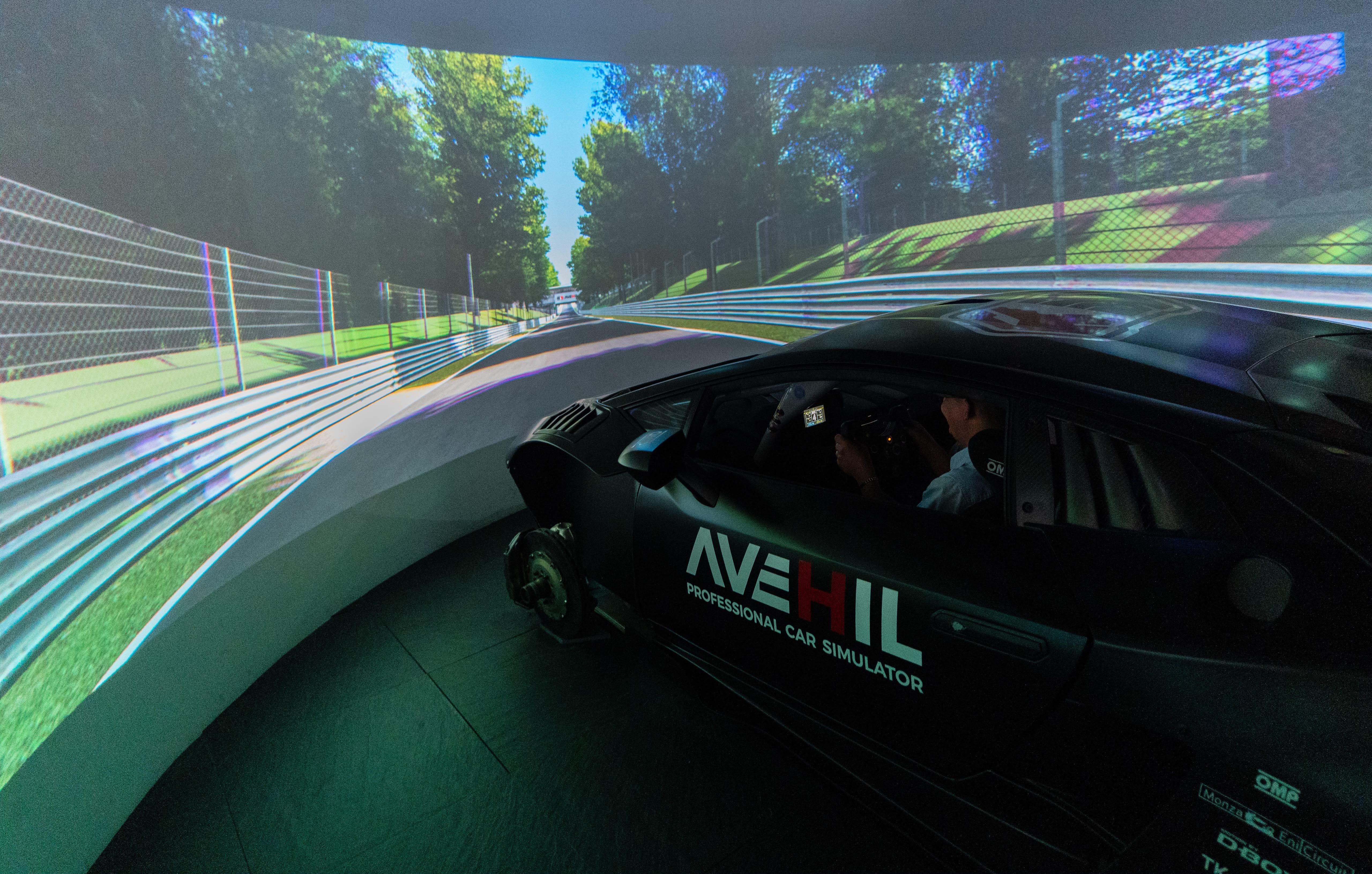
- Optional simulator, garage discussion or content activity where suitable.
- Shared meals and recognition moments that include the whole group.
Keep safety and communication clear
The circuit and responsible operating team determine safety procedures. Confirm the language and delivery of briefings, required equipment and how guests can ask questions. Noise, weather and movement between spaces can make information harder to follow; plan communication that does not rely on one shouted announcement.
- Written practical information as well as the required live briefing.
- Clear meeting points and a visible guest-support contact.
- A confidential route for individual suitability questions, not medical advice from hosts.
Review inclusion as part of event quality
Ask afterwards whether guests could participate comfortably and where barriers remained. Use that feedback to improve the next brief. No activity is risk-free and no general planning guide can approve individual participation; confirm the relevant conditions before making a guest promise.
- Avoid ranking employees by willingness or ability to drive.
- Record practical improvements without retaining unnecessary sensitive details.
- Treat respectful alternatives as part of the event, not a lesser substitute.
Operational note: activities, availability, eligibility and responsibilities depend on the circuit, date and format. Confirm the conditions with the responsible people and in the written proposal. This guide does not replace regulations or safety instructions.
Frequently asked questions
Can a non-driver enjoy a corporate track day?
Yes, with a properly designed programme of hospitality and suitable hosted activities. Confirm the actual choices and give non-driving guests the same care and sense of inclusion.
Are passenger laps and simulators suitable for everyone?
No. Physical access, sensory conditions and individual restrictions can still matter. Ask the responsible provider to confirm suitability and offer other meaningful participation.
What safety information should the organiser provide?
Request activity-specific eligibility, briefing arrangements, required equipment, operating responsibilities, emergency procedures and weather or cancellation terms. This guide does not replace those instructions or individual advice.