
DAV Racing · Updated
Choose a company event venue by checking travel time, usable capacity, accessibility, activity compatibility, hospitality, contingency arrangements and full booking terms. Compare venues against the same programme and ask for a site visit or operational walkthrough. For circuits, distinguish room access from track access and confirm both in writing.
Checks 1 and 2: travel and usable capacity
Calculate the whole journey from departure to return, including transfers and parking. Then request capacity for the actual layout, not the building’s headline maximum. A reception, seated meal and activity rotation may each need different space and staffing.
- 1. Arrival, parking, accessible transfers and realistic return travel.
- 2. Capacity for each room, layout and simultaneous activity.
- Ask what other bookings share the site on the same date.
Checks 3 and 4: access and operational suitability
Review routes, toilets, seating, language and sensory conditions alongside the activity plan. Ask who controls specialist activities, what qualifications or procedures apply and where responsibilities change. Do not treat a hospitality booking as permission to use operational areas.
- 3. Step-free routes, accessible facilities and private support process.
- 4. Approved activities, responsible operators and briefing requirements.
- At a circuit, confirm garage, paddock and track access separately.
Checks 5 and 6: hospitality and contingency
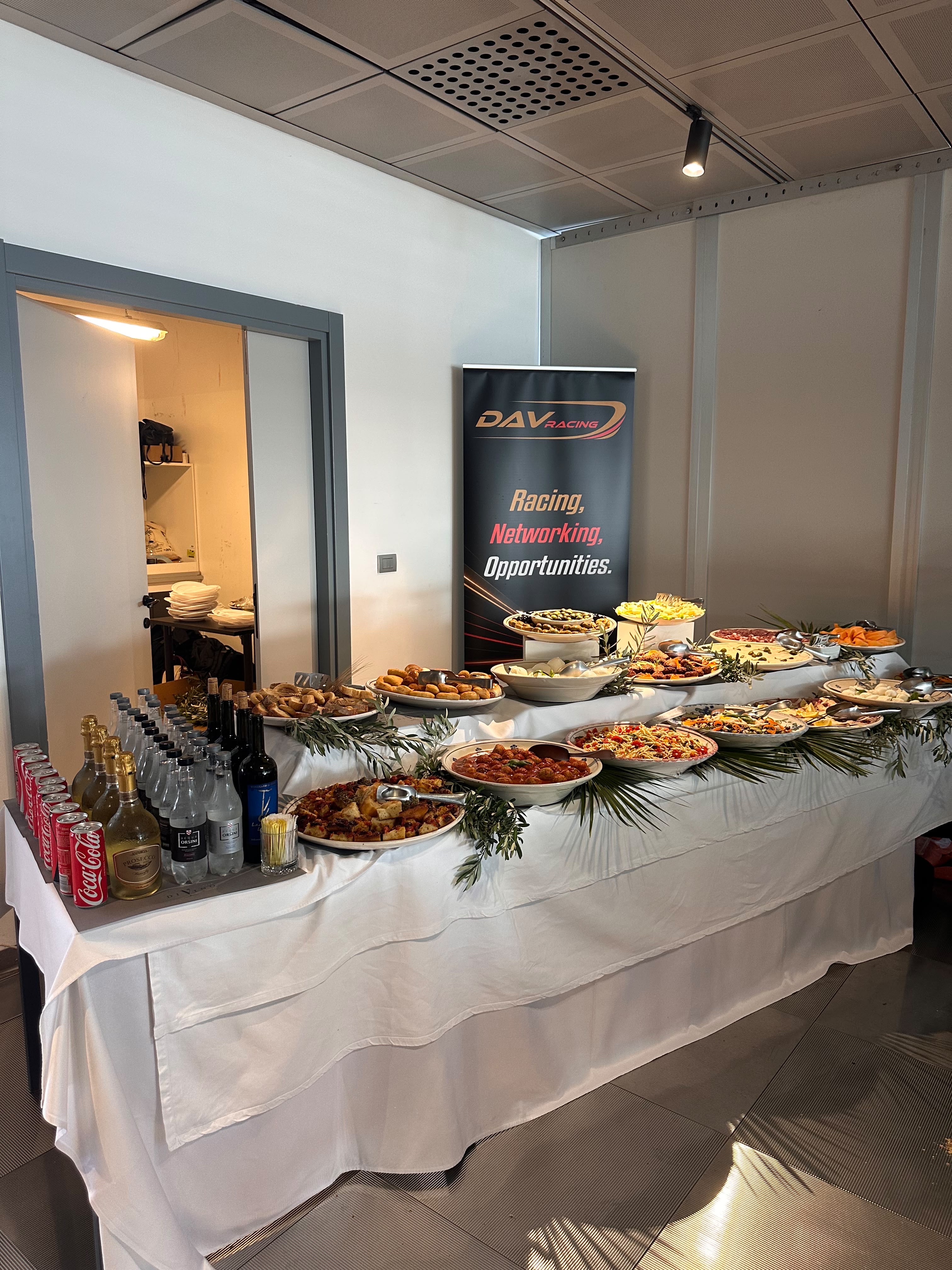
Check how catering is served during rotations, whether dietary needs can be met and where guests can rest. Review an alternative programme for weather or operational changes using the same headcount. A room on a floor plan is useful only if it is available and staffed when needed.
- 5. Catering, seating, water and guest-hosting arrangements.
- 6. Confirmed fallback space and decision process for disruption.
- Verify sound, presentation equipment and permitted branding if required.
Check 7: the full commercial agreement
Compare itemised venue and service costs with dates, access hours and restrictions. Include taxes, overtime, minimum spends and supplier requirements. Confirm payment, cancellation and postponement terms before issuing invitations that imply the venue is secured.
- 7. Written scope, total costs and contractual responsibilities.
- Ask about setup, breakdown, image use and external suppliers.
- Identify expiry dates on provisional holds or quotations.
Use the same brief for every shortlisted venue
Send two or three venues the same guest numbers, timetable and activity requirements. Record open questions and reject options that fail an essential access or operating requirement rather than averaging that failure into a score. For Italian circuits, consult official venue information and request current event availability.
- Walk through arrival, activity changes and departure as a guest.
- Document unresolved items and name the person who confirms them.
- Use the Italian circuit guide for Monza, Imola and Misano context, not guaranteed access.
Operational note: activities, availability, eligibility and responsibilities depend on the circuit, date and format. Confirm the conditions with the responsible people and in the written proposal. This guide does not replace regulations or safety instructions.
Frequently asked questions
What should I look for in a corporate event venue?
Look for manageable travel, suitable room and activity capacity, accessible routes, dependable hospitality, an agreed contingency plan and transparent terms. Assess the venue against your programme rather than its appearance alone.
Does a circuit hospitality booking include the track?
Not automatically. Hospitality, garage, paddock and track access may have different conditions. The proposal should state precisely which areas, activities and operating support are included.
Should I visit the venue before booking?
A site visit or detailed operational walkthrough helps expose travel, access and changeover issues. If a visit is not practical, request current layouts, route information and written answers for unresolved requirements.