DAV Racing · Updated
Build an incentive day budget from venue and track activity, cars and operating staff, hospitality, guest management, branding, content and travel. Separate fixed costs from guest-dependent costs, show optional items and taxes, and compare proposals using the same confirmed attendance and participation assumptions.
Set the assumptions before requesting prices
Agree the approximate attendance, activity preferences, date flexibility and travel requirements. Distinguish people attending from those taking part in driving or passenger activities. A per-person figure is only meaningful if it states the guest count and the services allocated to each guest.
- Working guest number and realistic confirmation deadline.
- Driving, passenger, simulator and hospitality participation.
- Required location, date range and any private-space expectations.
Separate the main cost groups
Ask for a breakdown that reveals where the budget goes. Venue and operating costs may not vary directly with every additional guest, while catering or gifts often do. Ask the supplier to identify the actual cost behaviour rather than assuming every item is fixed or variable.
- Venue, track arrangements, cars, instructors or drivers and operational staff.
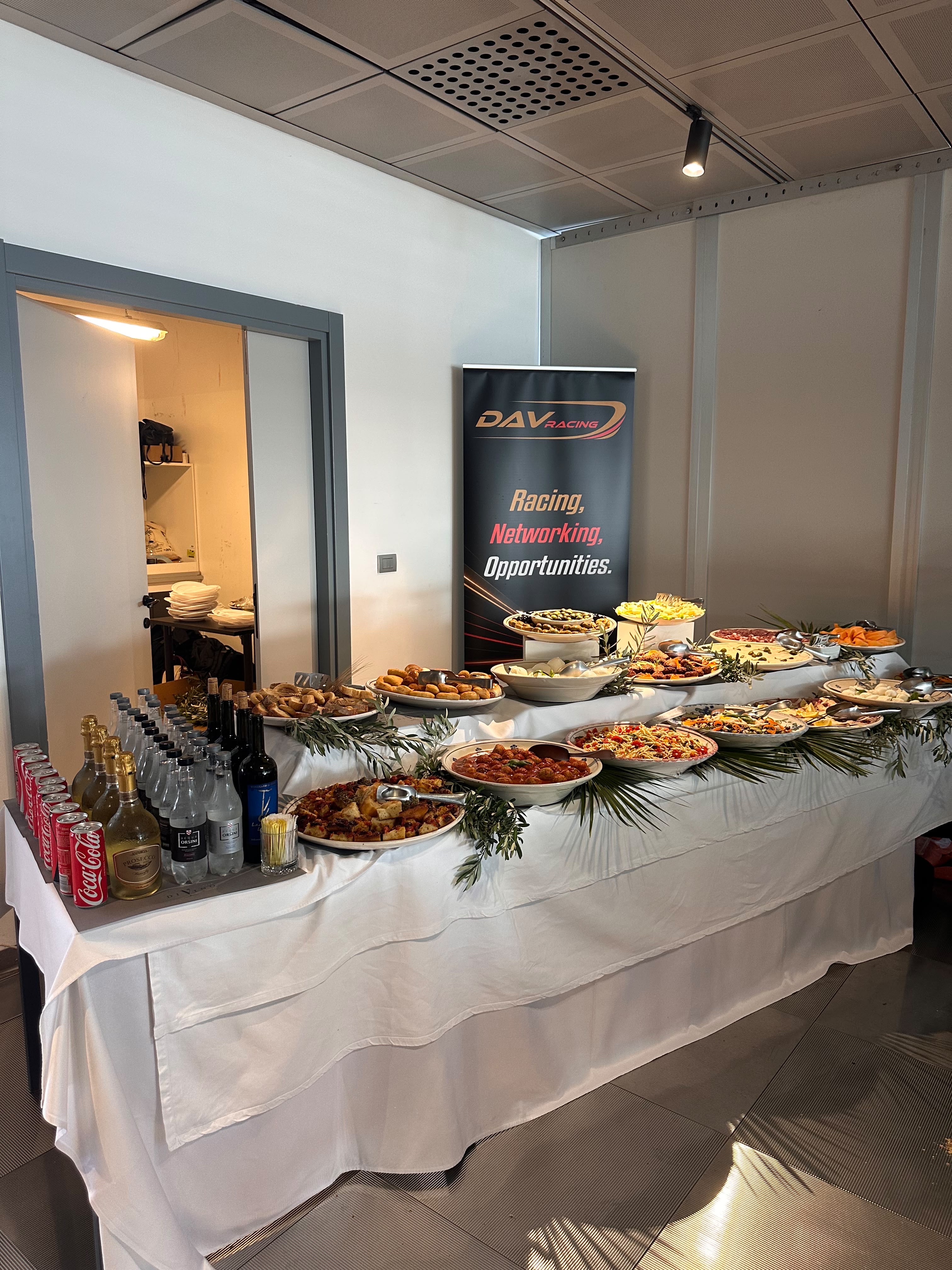
- Hospitality space, catering, reception, equipment and guest coordination.
- Branding production, photographers, videographers, gifts and optional activities.
Check the costs outside the event package
Transport and accommodation can materially change the total company spend. Clarify whether transfers, parking, hotels and additional meeting requirements are included or arranged separately. The company should also budget for its own production, approvals and host preparation where relevant.
- Travel, accommodation and transfers to the correct circuit entrance.
- Taxes, payment charges and any applicable overtime or extra supplier hours.
- Insurance terms, cancellation exposure and the procedure for scope changes.
Compare quotes without losing quality
First check the non-negotiables: safe delivery, clear participation, suitable staffing and workable guest flow. Then compare the remaining choices. Cutting the number of decorative extras can be sensible; reducing briefing time or support to preserve a flashy headline is not.
- Request the same guest count and activity allocation from every supplier.
- Label included, optional, excluded and still-to-be-confirmed items.
- Agree who can approve extra spend and how it will be recorded.
Manage changes and evaluate the spend
Set a contingency appropriate to the uncertainty instead of assuming a standard percentage fits every event. Confirm the dates after which numbers, branding or catering cannot change without a charge. Afterwards, reconcile the final scope and feedback against the original objective.
- Keep a versioned budget and a record of approved changes.
- Confirm weather-related financial terms rather than assuming a refund.
- Report actual cost per attendee with context, not as proof of return on investment.
Operational note: activities, availability, eligibility and responsibilities depend on the circuit, date and format. Confirm the conditions with the responsible people and in the written proposal. This guide does not replace regulations or safety instructions.
Frequently asked questions
How much does a corporate Ferrari incentive day cost?
A reliable price needs a defined venue, date, guest number, participation plan and service scope. Ask DAV Racing for an itemised tailored proposal rather than using an unsupported universal price.
Is a per-person quote the best way to compare events?
Only when the attendance assumptions, activity allocation, inclusions and taxes match. Also compare the total cost and how it changes if the final guest count is different.
What should be cut first if the budget is limited?
Review non-essential production, gifts or activity combinations before compromising required safety, staffing or guest support. Keep one strong main experience and the hospitality needed to deliver it well.