DAV Racing · Updated
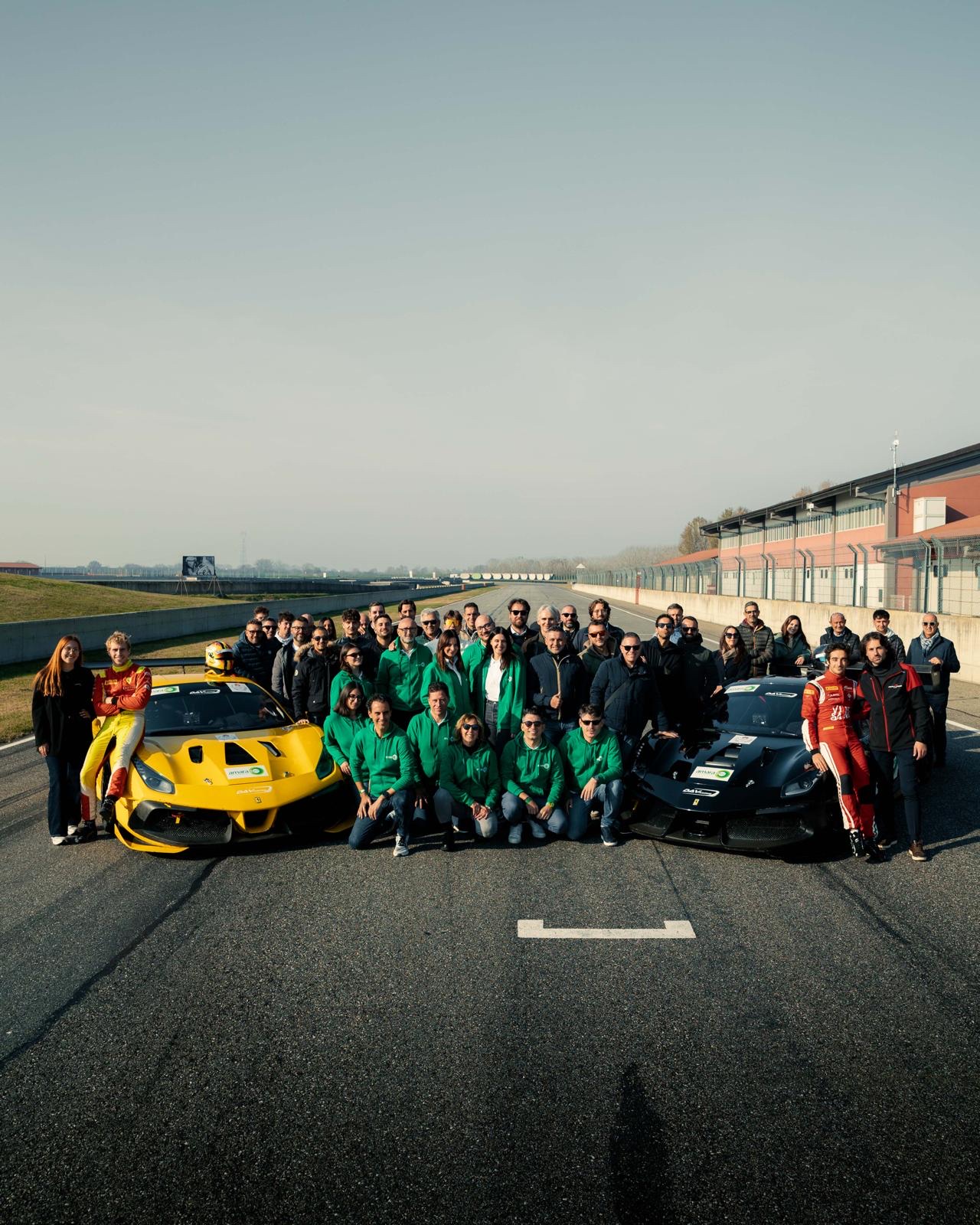
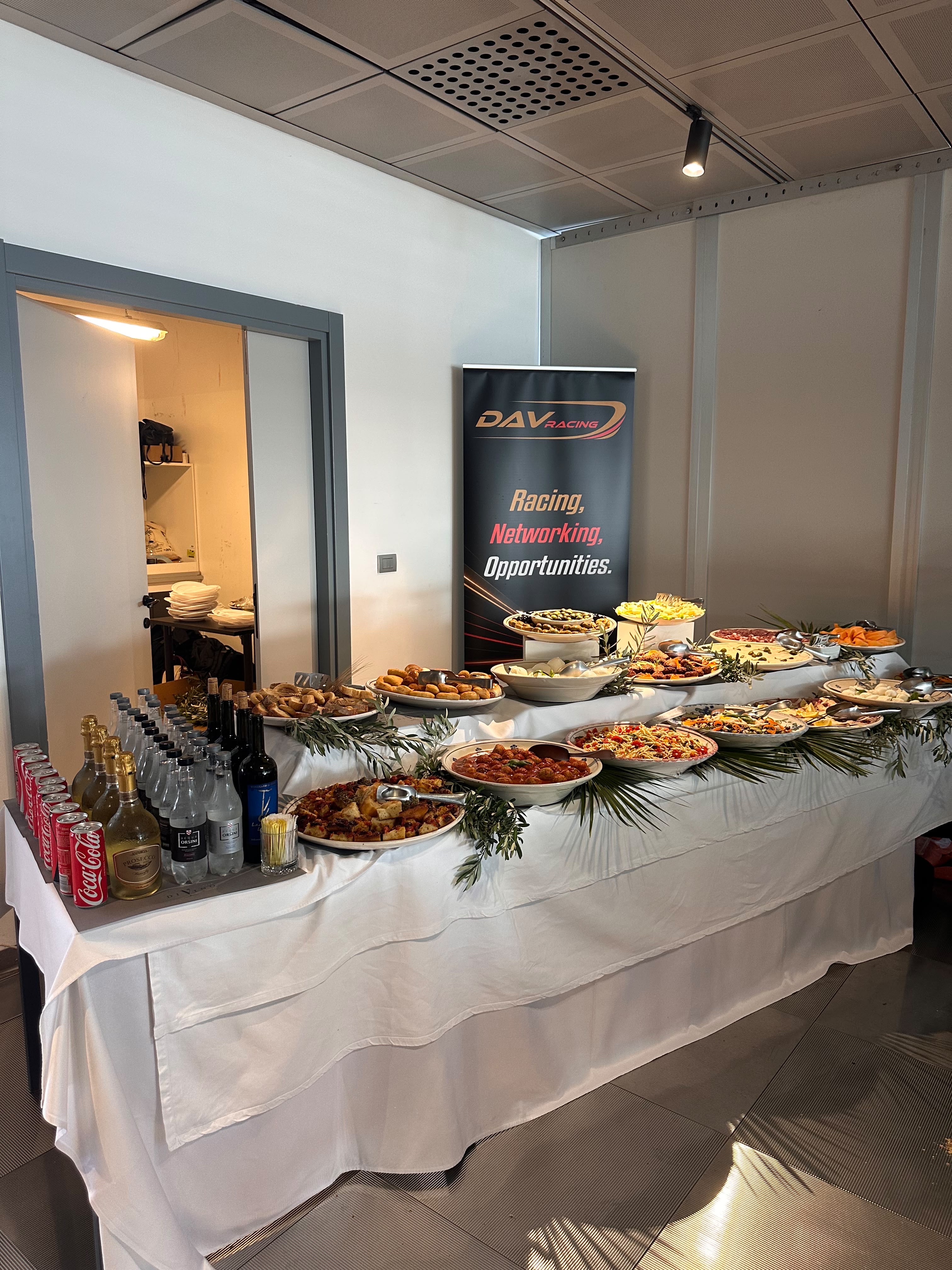
For a client hospitality day, invite a relevant group, assign named hosts, combine a shared motorsport experience with comfortable hospitality, and protect time for conversation. Check guests’ corporate hospitality policies and participation needs, then follow up personally with agreed next steps rather than a generic sales blast.
Give the invitation a clear reason
Decide whether the event recognises an existing partnership, introduces teams or creates space for a project discussion. Avoid inviting a large, undifferentiated contact list. A relevant invitation explains what guests can expect without promising access or activities that have not been confirmed.
- Align invitations with the relationship owner.
- Check company gift, hospitality and approval policies where relevant.
- Make the agenda, optional activities and travel commitments clear.
Choose the experience to suit the guests
Some clients want a hands-on Ferrari experience; others prefer observing the team, using a simulator or talking in the hospitality room. Ask discreetly rather than making assumptions based on job title or age. A private space is useful only if it is comfortable, accessible and appropriately hosted.
- Offer a meaningful non-driving route through the day.
- Confirm language, dietary, mobility and sensory requirements.
- Match the pace of activities to the purpose of the meeting.
Give every guest a host, not a sales pitch
A host should make introductions, explain what happens next and notice when a guest needs assistance. Prepare useful context for conversations, but do not script every moment or ask guests for sensitive business information in a public area. The event is a setting for a relationship, not proof of endorsement.
- Share a guest list and responsibilities only with the relevant team.
- Reserve relaxed time for one-to-one conversations.
- Ask permission before photographing or publicly identifying guests.
Use branding and content with restraint
Company logos, event photography and personalised gifts can connect the experience with the brand. Confirm placements, image permissions and intended channels in advance. Attendance should not be turned into a customer testimonial, partner announcement or social-media tag without the appropriate permission.
- Agree visible branding with the organiser and venue.
- Provide a practical route for guests who do not want to be photographed.
- Share selected, authorised memories rather than an indiscriminate photo dump.
Evaluate relationship quality honestly
Thank guests with a personal message and any useful material promised during the day. Log agreed actions in the company’s normal relationship process, subject to appropriate data handling. Report attendance, satisfaction and meetings separately from sales outcomes; attribution needs more evidence than an event invitation.
- Record accepted invitations, attendance and guest feedback.
- Assign owners to requested introductions or follow-up meetings.
- Review hosting quality and what should change next time.
Operational note: activities, availability, eligibility and responsibilities depend on the circuit, date and format. Confirm the conditions with the responsible people and in the written proposal. This guide does not replace regulations or safety instructions.
Frequently asked questions
What makes a good client entertainment event?
Relevance to the relationship, thoughtful hosting, a clear agenda and genuine time together. A distinctive setting helps, but it cannot compensate for poor guest care or an overly aggressive sales approach.
Is motorsport hospitality only for racing fans?
No, if the programme includes accessible explanations, hospitality and activities that do not require racing knowledge. Ask about interests and preferences before choosing the format.
How can the value of a client event be measured?
Use attendance, feedback, quality of conversations and agreed follow-up actions. Track any later commercial outcomes separately and avoid claiming the event alone caused them.