DAV Racing · Updated
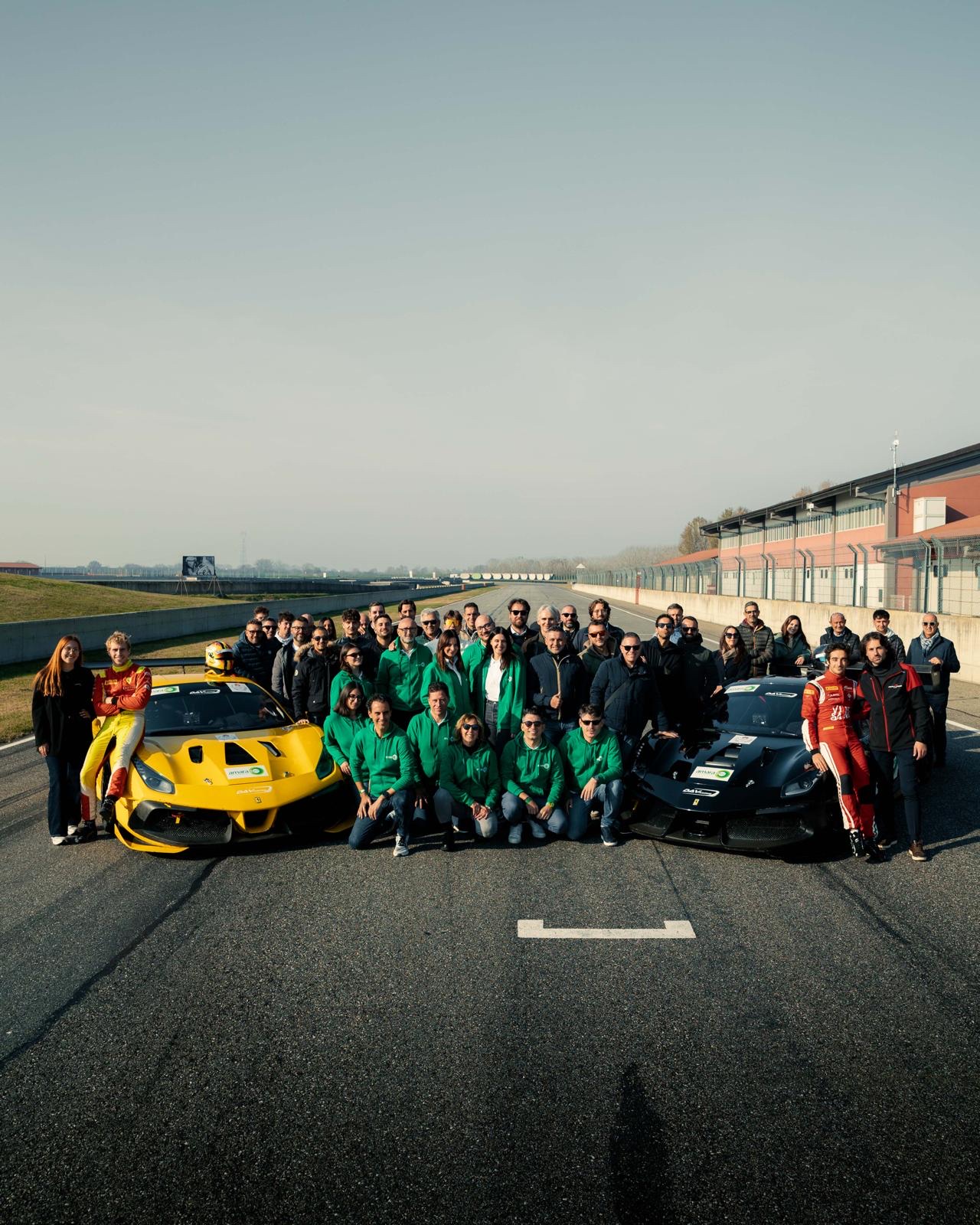
For a large-group company event, combine a shared opening and close with smaller hosted activity rotations. Match the promised participation to real operating capacity, provide a comfortable base and stagger transitions. Use clear group assignments and named hosts, and give non-participating guests an equally considered programme.
Define attendance and actual activity demand separately
The number attending does not equal the number driving, using a simulator or joining a workshop. Collect preferences early and ask providers to confirm capacity for the chosen format. An example group size should never be mistaken for a venue or DAV Racing booking guarantee.
- Separate total guests, activity preferences and final eligibility.
- Count hosts, suppliers and support people where capacity requires it.
- Agree how late changes affect the allocation.
Check throughput before promising an experience
An illustrative activity with 12 places per rotation and five rotations offers 60 places only if briefing, changeovers and buffers are already accounted for. This is a planning example, not a DAV Racing capacity. Ask the operator to validate the actual schedule and constraints.
- Count participant places, not only event opening hours.
- Include equipment changes, transfers and recovery time.
- Avoid advertising participation for everyone without confirmed capacity.
Build a rotation guests can understand
Keep groups recognisable through clear names or symbols, with instructions that do not depend on colour alone. Assign a host to each group and a central coordination contact. Guests should know their next location without having to interpret the full supplier run of show.
- Use a shared opening, small-group blocks and a shared close.
- Publish meeting points and accessible routes.
- Stagger movements so every group does not arrive at catering together.
Make waiting and alternatives part of the programme
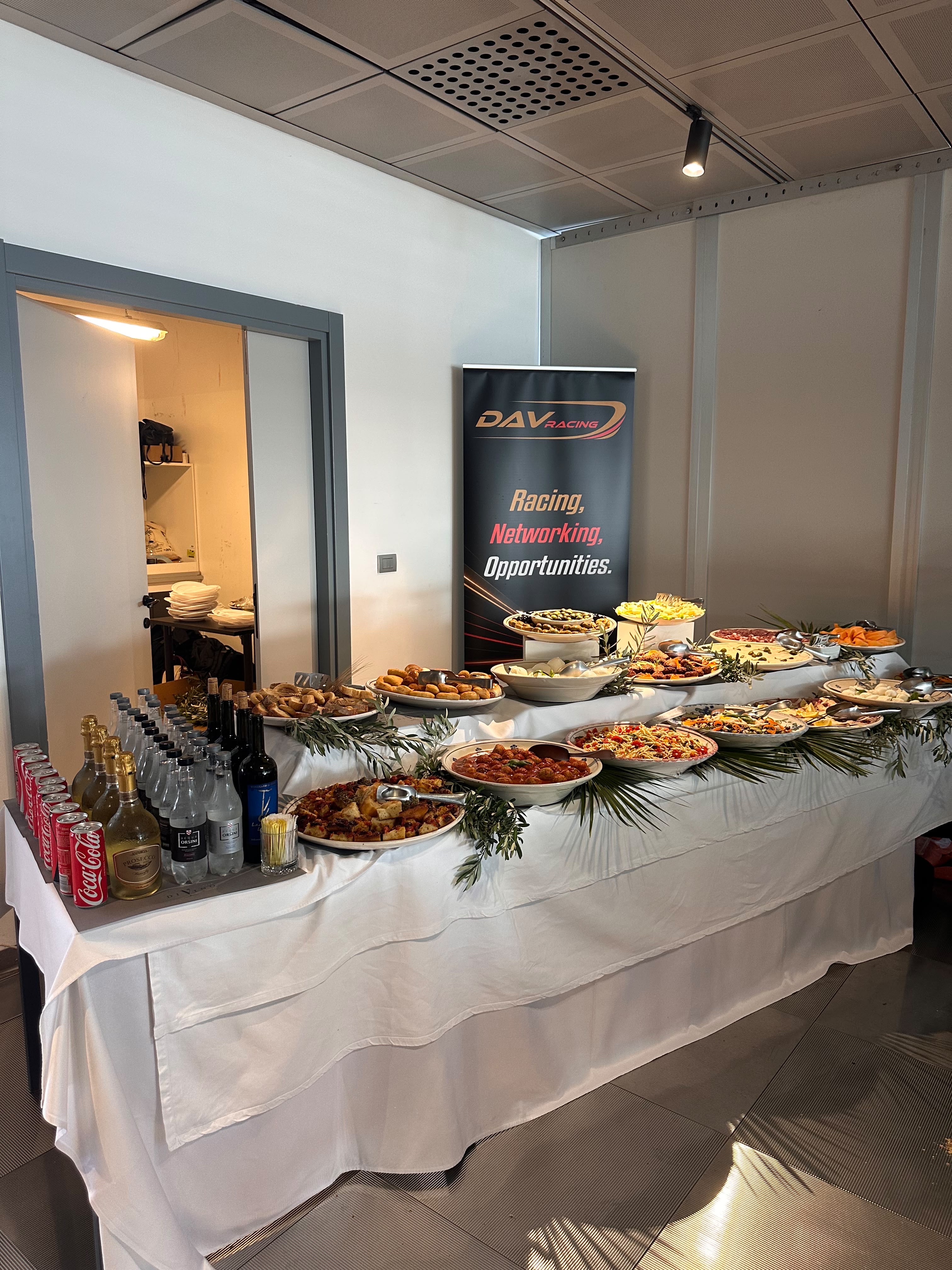
A hospitality space needs its own seating, service and activity plan, not just spare chairs. Confirm whether catering, simulators and toilets can cope with peak use. Outdoor or high-intensity activities need meaningful alternatives that do not label non-participants as an afterthought.
- Provide a staffed guest-information point.
- Keep water, seating and quiet space available as agreed.
- Validate fallback capacity if an activity changes or stops.
Control changes through one operational lead
Large groups amplify small communication errors. Use one approved timetable and a clear escalation route between company hosts, transport and operating teams. At a circuit, the responsible safety team’s decisions take priority over presentation or photography slots.
- Brief hosts before guests arrive and confirm contact channels.
- Assign an owner for missing guests and changed return transport.
- Review queues, participation and access feedback after the event.
Operational note: activities, availability, eligibility and responsibilities depend on the circuit, date and format. Confirm the conditions with the responsible people and in the written proposal. This guide does not replace regulations or safety instructions.
Frequently asked questions
What activities work for a large company event?
Use hosted stations such as simulator activities, discussions, hospitality and eligible specialist experiences, connected by smaller group rotations. Confirm simultaneous capacity and actual participation before choosing the mix.
How do we avoid long queues at a corporate event?
Pre-allocate activity groups, validate the operator’s throughput, stagger movements and give guests useful hosted activities between slots. More attractions do not help if all guests need the same limited station.
Can every guest drive at a large circuit event?
Only if the agreed eligibility, cars, staffing, circuit time and allocations support it. Ask for a written participation plan; total attendance or hospitality capacity does not establish driving capacity.