DAV Racing · Updated
An incentive day primarily rewards or recognises people. Team building focuses on how a group works together, while a company away day creates space outside normal routines for discussion, connection or planning. Client hospitality prioritises relationships with guests. A single event can combine purposes, but should state which one comes first.
Incentive day: the experience is the reward
The invitation should communicate appreciation and give guests something they value. Enjoyment, choice and considerate hosting matter more than a packed learning agenda. A demanding workshop or compulsory competition can weaken the sense of being rewarded.
- Primary question: will guests feel recognised?
- Suitable emphasis: optional experiences, hospitality and celebration.
- Evaluate guest experience, access and delivery against the promise.
Team building: collaboration needs a task and a reflection
Being at the same venue is not enough. A collaborative format needs shared work, clear roles and a chance to notice what helped the group. Motorsport themes can illustrate communication, but a leisure event is not automatically a validated training programme.
- Primary question: what behaviour will the group practise?
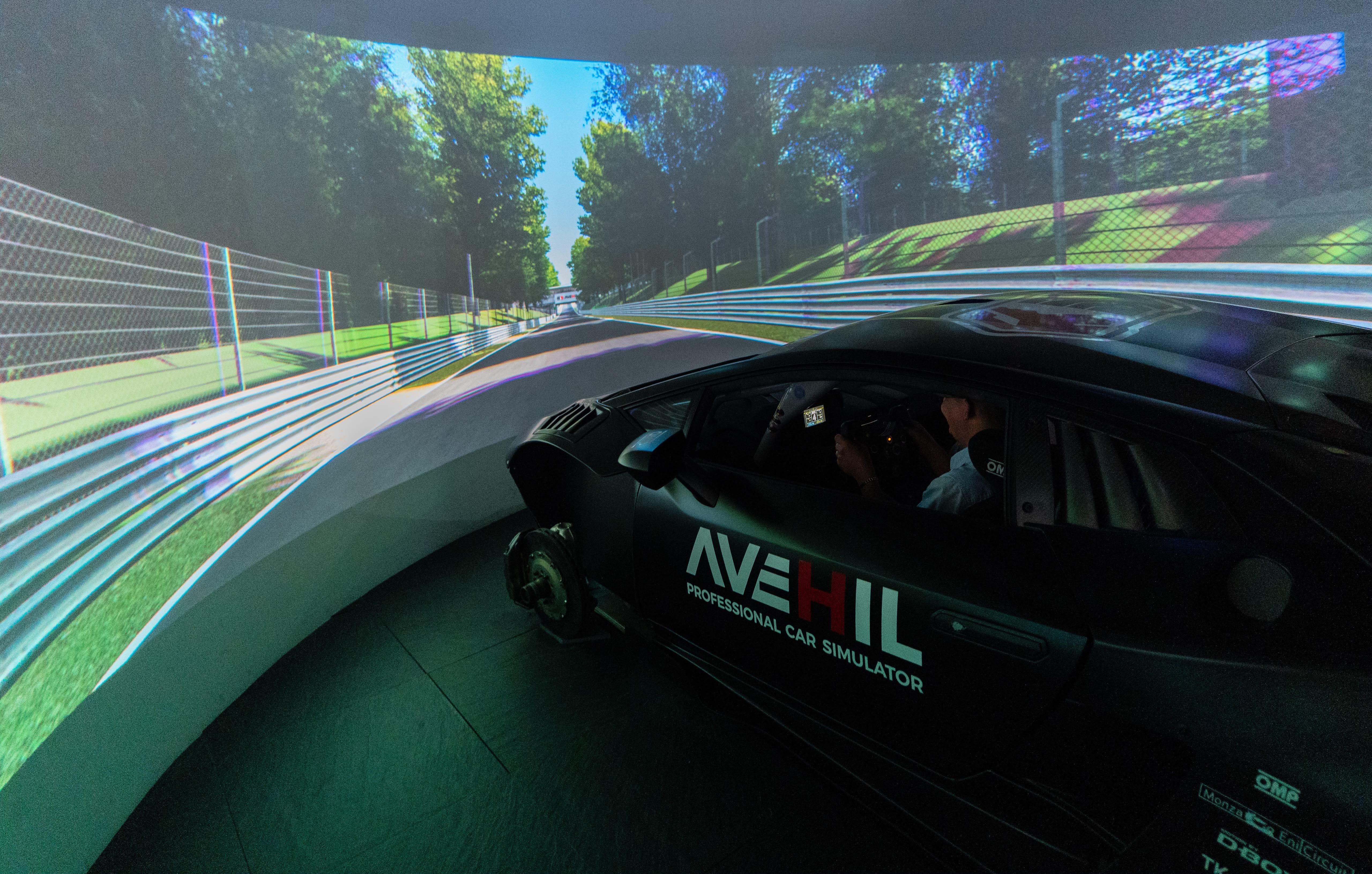
- Suitable emphasis: simulator relays, role changes and guided reflection.
- Avoid promising to fix structural workplace problems in a day.
Company away day: protect the reason to leave the office
An away day can support planning, relationships or a shared discussion. Keep its work blocks limited and explicit, with practical outputs when decisions are required. Moving an ordinary meeting into an unfamiliar venue does not create participation by itself.
- Primary question: what needs dedicated time together?
- Suitable emphasis: facilitated discussion, breaks and informal connection.
- Decide whether guests are working, celebrating or doing both.
Client event: hosting and follow-up take priority
Client hospitality works differently from an internal team exercise. Guests need named hosts, time for conversation and a reason to attend that is not disguised sales pressure. Choose an experience that supports relationships while respecting hospitality and compliance policies.
- Primary question: what will make this valuable for the guest?
- Suitable emphasis: unhurried conversation and optional shared experiences.
- Agree follow-up owners without attributing every sale to attendance.
Combine formats without confusing the invitation
One day can include a brief company update, a shared activity and a reward moment. Set the main purpose first and explain the balance honestly. Choose the activity only after deciding which guests, staffing and participation conditions the programme must accommodate.
- Use a one-sentence purpose in the brief and invitation.
- Keep optional activities separate from workplace assessment.
- Ask DAV Racing to adapt the motorsport programme to that purpose.
Operational note: activities, availability, eligibility and responsibilities depend on the circuit, date and format. Confirm the conditions with the responsible people and in the written proposal. This guide does not replace regulations or safety instructions.
Frequently asked questions
Is an incentive day the same as team building?
No. An incentive day primarily rewards people; team building deliberately works on collaboration. They can share activities, but require different hosting, reflection and evaluation.
Can a company away day include clients?
Yes, but state who the event serves and separate confidential company discussion from client hosting. Avoid assuming that clients want to join an employee-development exercise.
Which format is best for employee appreciation?
An incentive or recognition-led day is usually the clearer starting point. Ask employees what they value and keep the experience accessible rather than making it another performance test.